
Eco-Friendly Cleaning Hacks That Actually Work
Transform your home into a sparkling sanctuary using pantry staples and nature's power.
Remember when "green cleaning" meant waving a dusty feather duster while chanting affirmations? Those days are gone. Modern eco-cleaning combines science-backed effectiveness with environmental consciousness, and it's exploding across social feeds as homeowners discover vinegar can outclean industrial chemicals. The revolution started quietly when pandemic shortages forced us to raid pantries for solutions, revealing an unexpected truth: lemon peels and baking soda might just be home maintenance superheroes.
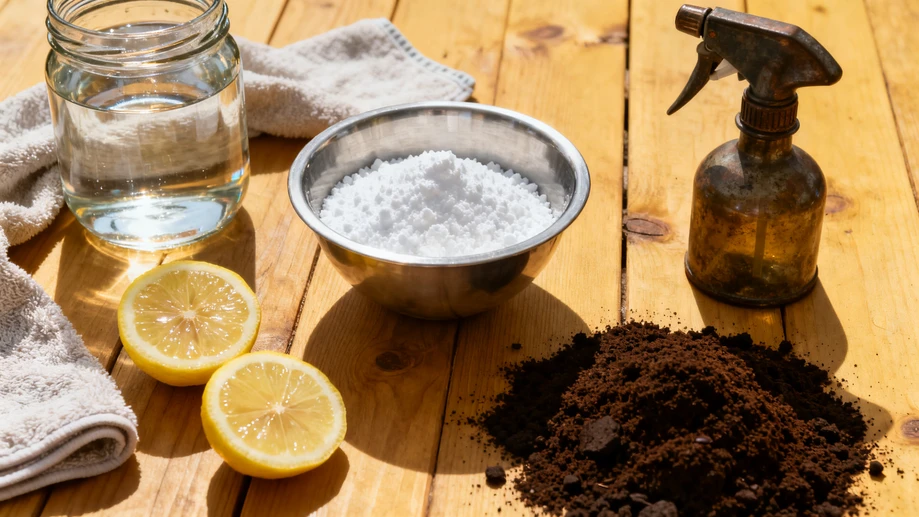
Let's debunk the biggest myth first – eco-cleaning doesn't mean compromising on results. When white vinegar meets baking soda, that volcanic eruption isn't just Instagram-worthy theater. The chemical reaction creates sodium acetate and carbonic acid, breaking down grease better than most synthetic degreasers. Try it on stovetop splatters: sprinkle baking soda, spray vinegar, wait five minutes, and watch grime dissolve like magic. That sticky microwave mystery? A bowl of water with lemon slices steamed for three minutes makes wipe-downs effortless.
Surprisingly, your morning coffee grounds serve double duty beyond caffeine fixes. Their granular texture makes them perfect abrasive scrubbers for baked-on pans when mixed with coconut oil. The oils absorb odors while gently polishing surfaces – goodbye stinky sink drains! Coffee's natural acidity also cuts through mineral deposits; rub used grounds on faucets to restore shine without scratching finishes. Just avoid porous surfaces like marble where pigments might stain.
Now consider the humble citrus peel, destined for more than compost bins. Orange and lemon peels contain d-limonene, a powerful solvent that dissolves sticky residues. Simmer peels in vinegar for two weeks, strain, and you've created an all-purpose cleaner that tackles everything from soap scum to crayon marks. Bonus: it smells like a Mediterranean orchard rather than a chemical plant. For wood polish, infuse olive oil with rosemary sprigs and lemon zest – your furniture will gleam with natural protection.
Microfiber cloths deserve special praise in this green movement. When used dry, their electrostatic charge traps dust mites and allergens better than feather dusters. Dampened, they lift dirt without chemical assistance through capillary action. Wash them weekly in hot water to maintain effectiveness – unlike disposable wipes that choke landfills. Pair them with castile soap for floors: just two tablespoons in a gallon of water cleans most surfaces while being gentle enough for kids and pets.
Adopting these methods creates ripple effects beyond spotless countertops. Conventional cleaners release volatile organic compounds that pollute indoor air at levels 2-5 times higher than outdoors, according to EPA studies. Switching to plant-based solutions reduces respiratory irritants while keeping toxins from waterways. Plus, reusing spray bottles and jars slashes plastic waste – imagine preventing hundreds of containers from entering oceans annually just by refilling your vinegar solution.
The financial upside is equally compelling. That $5 bottle of specialty cleaner? Its natural alternative costs pennies. Baking soda, vinegar, and lemons offer staggering versatility: one baking soda box deodorizes fridges, scrubs tubs, polishes silver, and extinguishes grease fires. This isn't austerity – it's smart resourcefulness. Families report saving hundreds yearly by ditching single-function products for multipurpose pantry staples.
Of course, some jobs require professional-grade solutions. Oven interiors caked with years of carbon buildup may need commercial products, and mold remediation often demands specialized treatments. But for 90% of daily messes, nature provides. The proof lies in comment sections where skeptics become converts: "Used your lemon-vinegar mix on my showerhead – water pressure restored!" or "Coffee grounds erased my pet's muddy paw prints from laminate flooring!"
This isn't about returning to pioneer days of scrubbing clothes on rocks. It's a mindful recalibration where effectiveness meets ecology. Start small: replace one chemical cleaner with a DIY version this month. Notice how your home feels lighter, how your skin doesn't itch after cleaning sessions. Share results using #GreenCleanRevolution – because the most satisfying before-and-after photos show both sparkling surfaces and a healthier planet.