
The Secret Life of Home Organizers Revealed
Discover why clutter-busting wizards are becoming everyone's secret weapon for sanity.
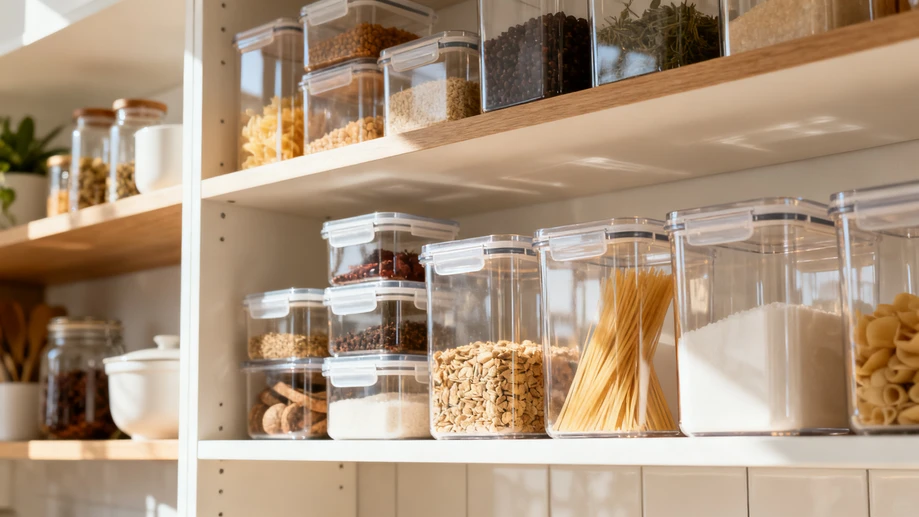
Ever wonder how some homes look perpetually ready for a magazine photoshoot while yours constantly battles rogue sock avalanches? Enter the unsung heroes of domestic tranquility: professional home organizers. These modern-day wizards don't just fold towels into perfect origami swans; they wage war against chaos armed with color-coded bins and label guns. What started as a niche service for the wealthy has exploded into mainstream demand, with social media fueling our collective envy of Instagram-perfect pantries and anxiety over our own junk drawers.
Surprisingly, the magic happens not through witchcraft, but psychology. Organizers tap into how our brains process visual clutter – studies show chaotic environments spike cortisol levels while orderly spaces boost focus. When Mrs. Thompson (not her real name) hired an organizer after her home became a daycare-center-meets-thrift-store hybrid during lockdown, she discovered her "organized chaos" system was actually a major stress trigger. "Finding my keys every morning felt like an archaeological dig," she laughs. The transformation? Labeled entryway stations and a donation pile that liberated both space and mental bandwidth.
Beyond the Marie Kondo spark-joy clichés lies fascinating science. Organizers employ spatial algorithms that would impress mathematicians – calculating optimal shelf heights for cereal boxes or developing "traffic flow maps" to prevent kitchen bottlenecks during breakfast rushes. Their secret weapon? The humble "sorting session" where clients confront the emotional baggage behind that 2003 prom dress or broken waffle iron. One organizer shared how a client wept over discarded baby clothes before realizing she was clinging to guilt, not onesies. "We're really emotional archeologists with storage bins," she quips.
What makes this trend revolutionary is its democratization. Forget celebrity organizers charging private-jet fees; apps now connect homeowners with affordable local experts specializing in everything from tiny-apartment Tetris to taming toy tsunamis. TikTok tutorials teach "speed-folding hacks" while Facebook groups swap container-store dupes. The real game-changer? Virtual consultations where organizers remotely diagnose clutter hotspots via video call – proving you don't need a Hollywood budget to conquer chaos.
Yet the biggest revelation isn't about perfectly stacked sweaters. It's how organization creates invisible infrastructure for better living. Families report fewer morning meltdowns when backpacks have designated launchpads. Retirees rediscover hobbies when craft supplies emerge from cardboard-box purgatory. Even relationships improve when "where's my charger?" arguments vanish alongside cable tangles. The true magic happens when physical order creates mental clarity – turning homes from stress factories into sanctuaries.
So next time you shame-scroll through pantry perfection posts, remember: behind every immaculate spice rack lies strategic systems, not superhumans. Whether you hire help or tackle that junk drawer solo, the path to peace starts with one simple question – does this item serve my present life or haunt my past? Your sanity will thank you.