
Why Your Cleaning Routine Is Secretly Harming the Planet
Uncover the surprising environmental impact of common household cleaners and learn easy swaps for a greener home.
You've probably spent hours scrubbing your kitchen counters or mopping floors, feeling accomplished by that fresh scent and sparkling surface. But what if I told you that your trusty cleaning routine might be doing more harm than good? It's a hot topic buzzing across online forums, where eco-conscious homeowners are sharing eye-opening stories about the hidden costs of conventional cleaners. Many of us grab those brightly labeled bottles without a second thought, assuming they're safe and effective. Yet, beneath the pleasant fragrances lies a cocktail of chemicals that can seep into our waterways and air, contributing to pollution in ways we rarely consider. This isn't just about dirt—it's about the planet we all share.
Transitioning to the heart of the issue, let's dive into what makes these products problematic. Most store-bought cleaners contain synthetic ingredients like phosphates, ammonia, and chlorine, which are great at cutting through grease but terrible for ecosystems. When washed down the drain, they enter rivers and oceans, disrupting aquatic life and even affecting drinking water quality. For instance, phosphates can cause algal blooms that suffocate fish, a problem highlighted in viral social media posts from environmental groups. What's more, the plastic packaging adds to the mountain of waste clogging landfills. It's ironic how something meant to purify our homes could be polluting the world outside.
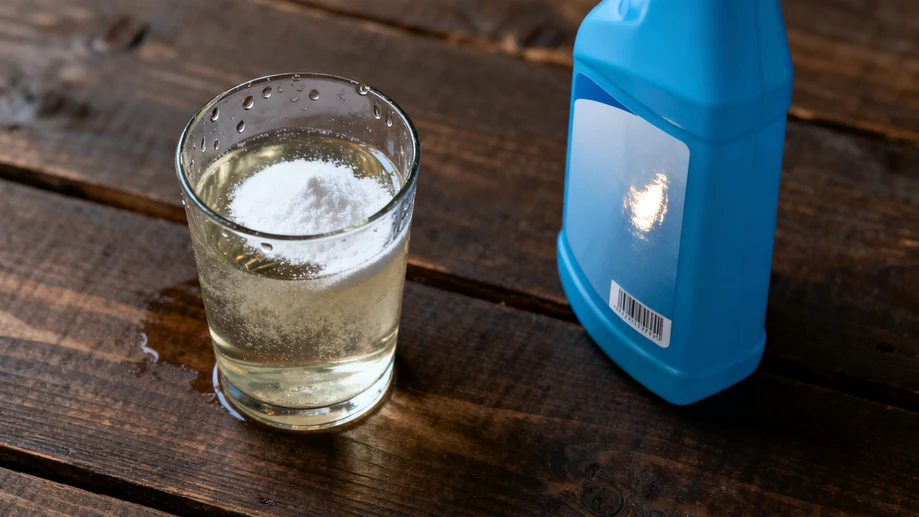
But here's the good news: you don't have to sacrifice cleanliness for sustainability. In fact, the rise of DIY cleaning solutions has become a massive trend, with influencers and everyday users sharing simple, effective swaps. Vinegar and baking soda, for example, are natural powerhouses that tackle stains and odors without the nasty side effects. Mix them with water and essential oils, and you've got a versatile cleaner that's cheap and eco-friendly. I've tried it myself—after switching, I noticed fewer allergies and saved money on store runs. The best part? These ingredients are pantry staples, making the switch accessible to anyone.
Building on that, let's explore some practical tips to make your home greener. Start small by replacing one product at a time, like swapping glass cleaner for a vinegar-water spray. It cuts through grime just as well and leaves no chemical residue. For tougher jobs, lemon juice works wonders on limescale, while castile soap handles grease without toxins. Online communities are buzzing with hacks, such as using old T-shirts as reusable cloths to reduce waste. The key is consistency; even small changes add up over time. Plus, you'll find that natural cleaners often perform better than you'd expect, leaving surfaces genuinely clean rather than just smelling "fresh."
Beyond the environmental perks, this shift brings personal benefits that make it a no-brainer. Health-wise, reducing exposure to harsh chemicals means fewer respiratory issues and skin irritations—a big win for families with kids or pets. Financially, DIY mixes cost pennies compared to branded products, freeing up cash for other priorities. And socially, sharing your journey can inspire others; I've seen threads where users post before-and-after photos, sparking friendly challenges to go green. It's empowering to know that by tweaking your routine, you're contributing to a larger movement toward sustainability without extra effort.
In wrapping up, remember that every swipe of a cloth can be a step toward a healthier planet. The conversation around eco-friendly cleaning isn't just a fad—it's a growing awareness driven by real-world impacts. By adopting simple alternatives, you're not only protecting ecosystems but also creating a safer, more mindful home. So next time you reach for that spray bottle, pause and consider the greener choice. It might just make your cleaning sessions more rewarding and the world a little brighter.