
Decluttering Your Home Might Just Be the Therapy You Didn't Know You Needed
Uncover how a tidy space can ease anxiety and spark daily joy through simple, buzzworthy methods.
Lately, social media feeds have been buzzing with posts about decluttering, turning a mundane chore into a viral sensation that's reshaping how we view our homes. It's not just about tossing old clothes or organizing drawers; this trend taps into a deeper craving for simplicity in our chaotic world. Scroll through any lifestyle platform, and you'll find hashtags like #DeclutterChallenge racking up millions of views, as ordinary people share their before-and-after transformations. What started as a niche home hack has exploded into a full-blown movement, thanks to relatable stories of how clearing out the clutter brings instant relief. And the appeal? It's accessible—anyone with a drawer full of junk can join in, making it a perfect antidote to the overwhelm of modern life.
Beyond the surface-level cleanups, the real magic lies in how tidying up can soothe our minds, acting like an invisible therapist for daily stress. Studies hint that a cluttered environment often mirrors internal chaos, triggering anxiety and decision fatigue. When we declutter, we're not just freeing up physical space; we're creating mental breathing room that fosters calm. For instance, simplifying your workspace might reduce distractions, helping you focus better at work or sleep soundly at night. This isn't pseudoscience—real-life anecdotes flood forums, where users report feeling lighter and more empowered after a purge session. On top of that, the process itself becomes meditative; sorting through items forces us to confront what truly matters, turning a chore into a mindful ritual that boosts mood over time.
Of course, diving into decluttering can feel daunting, but the hottest online tips make it surprisingly fun and achievable. Start small with a "five-minute sweep"—set a timer and tackle one corner, like that overflowing junk drawer. This bite-sized approach prevents burnout and builds momentum. Next, embrace the viral "one-in, one-out" rule: for every new item you bring home, donate or recycle an old one. This keeps accumulation in check and encourages conscious consumption. Social media is packed with clever hacks, like using clear bins for storage to instantly see what you have or repurposing everyday items as organizers. The key is to personalize it; if folding clothes stresses you out, try rolling them instead for a quick win. Over time, these micro-habits add up, transforming decluttering from a dreaded task into a rewarding hobby that sparks small wins daily.
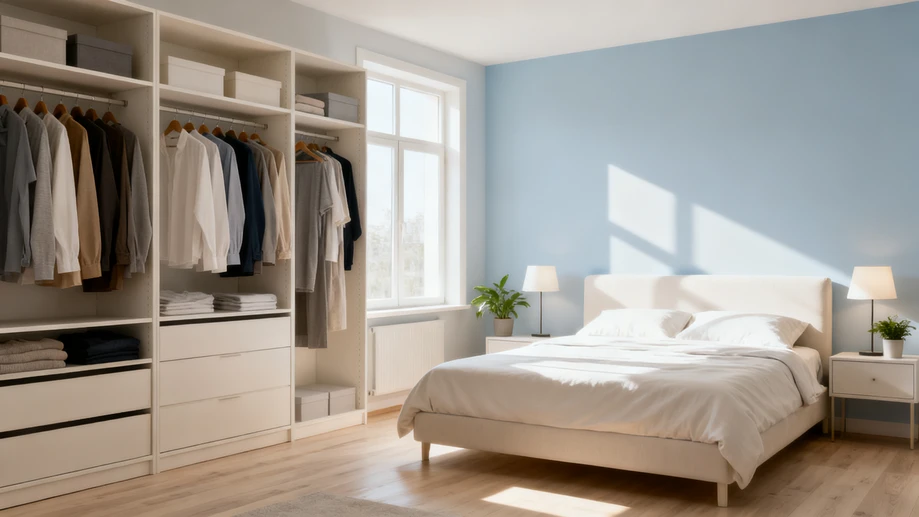
Digging deeper, the trend has evolved into a form of self-care that unites communities online, fostering shared victories and support. Platforms abound with groups where members swap success stories, like finally clearing that basement pile or finding peace in a minimalist bedroom. This communal aspect turns solitary efforts into collective joy, with users cheering each other on through live streams or challenge posts. Moreover, it's pushing innovations in home habits, such as digital decluttering—unsubscribing from emails or organizing apps—to reduce digital noise. While it might seem trivial, these acts build resilience; navigating a tidy space teaches us to let go of what doesn't serve us, both physically and emotionally. As people share their journeys, they inspire others to start, creating a ripple effect that makes decluttering less about perfection and more about progress.
Despite its perks, decluttering isn't a quick fix for everyone, and some online debates highlight the challenges that can deter newcomers. For instance, the "all or nothing" mindset often leads to frustration—many jump in expecting a spotless home overnight, only to quit when progress stalls. This is where viral advice shifts focus to consistency over chaos; it's better to declutter 10 minutes a day than exhaust yourself in a marathon weekend. Environmental concerns also pop up, with critics pointing out waste from discarded items. But the community counters this by promoting eco-friendly swaps, like donating gently used goods or upcycling materials, turning decluttering into a green act. Ultimately, the trend's growth shows that it adapts to real-life hurdles, emphasizing that a messy drawer doesn't mean failure—it's just part of the journey toward a calmer, more intentional life.
Wrapping up, the decluttering craze proves that a simple home reset can be a powerful tool for mental well-being in today's fast-paced world. It's more than a fad; it's a sustainable lifestyle shift that blends practicality with emotional uplift. By starting small and staying consistent, anyone can harness its benefits, turning daily chaos into clarity. So, why not grab a trash bag this weekend? Your future self might thank you for the peace it brings—one organized shelf at a time.