
Homeowners Worldwide Transform Rooms for Work and Play
The latest trend sees families creating flexible spaces that serve multiple purposes in response to changing lifestyles.
Across continents, a quiet revolution is unfolding within the walls of private homes as residents reimagine their living environments. The traditional boundaries between rooms are dissolving, replaced by an innovative approach to spatial design that prioritizes versatility over singular functionality. This shift isn't merely about aesthetics; it's a practical response to evolving work patterns, educational needs, and entertainment preferences that demand more from our personal spaces. Architects and interior designers report a surge in requests for convertible areas that can seamlessly transition between different activities throughout the day.
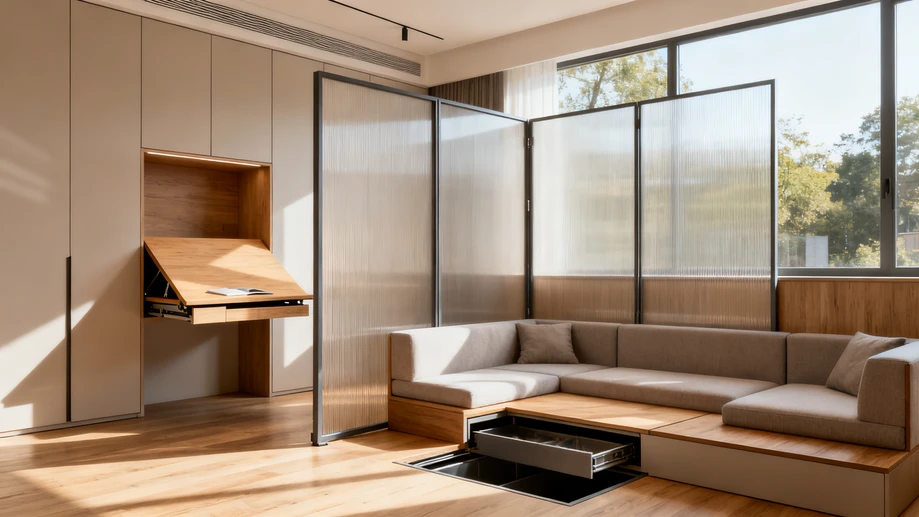
At the heart of this movement lies the ingenious use of transformable furniture and modular systems. Wall beds that fold away to reveal home offices, extendable dining tables that convert into craft stations, and movable partitions that create temporary private nooks represent the new normal in household design. These solutions address the universal challenge of limited square footage while accommodating diverse family schedules. Particularly noteworthy are custom storage solutions that integrate work surfaces into cabinetry, allowing professional equipment to disappear completely when not in use, maintaining the room's primary identity as a living or sleeping area.
A fascinating design innovation gaining traction is the rise of convertible flooring systems. Some homeowners are installing elevated platforms with hidden compartments beneath removable panels. These cleverly engineered floors can store everything from exercise equipment to musical instruments, transforming a meditation space into a home gym or music studio within minutes. The psychological impact of such designs is profound, creating mental separation between different activities without physical barriers. This approach effectively tricks the brain into shifting gears between work and relaxation modes despite occupying the same physical footprint.
The benefits extend beyond mere practicality, influencing family dynamics and personal wellbeing. Open sightlines in multifunctional spaces foster connection among household members engaged in different pursuits. Parents can supervise homework while preparing dinner, and remote workers remain present for family interactions without sacrificing productivity. Moreover, the elimination of dedicated single-purpose rooms reduces feelings of isolation during solitary activities. This spatial fluidity mirrors the blending of life's various roles in contemporary society, where the lines between professional responsibilities and personal life continue to blur.
Implementing these transformations does present challenges, particularly regarding acoustics and visual clutter. Clever solutions include sound-absorbing panels disguised as artwork and strategic placement of bookshelves that serve as noise barriers. The color palette also plays a crucial role, with neutral backgrounds providing visual calm while accent pieces define functional zones. Lighting systems have evolved accordingly, with layered fixtures offering everything from focused task illumination to ambient evening glow, all controllable through intuitive smart home interfaces.
Looking forward, this trend shows no signs of slowing as hybrid work arrangements become permanent fixtures for many professionals. The adaptability of these spaces ensures homes remain relevant through life's changing phases without requiring structural renovations. Children's play areas can evolve into study nooks, then into creative studios as families grow. What began as a practical response to temporary circumstances has blossomed into a fundamental rethinking of domestic architecture that celebrates flexibility as the ultimate luxury in modern living.