
Homeowners Worldwide Embrace Nature Inspired Textures in Modern Interiors
Global renovation trends shift towards organic materials and tactile surfaces as urban dwellers seek grounding elements
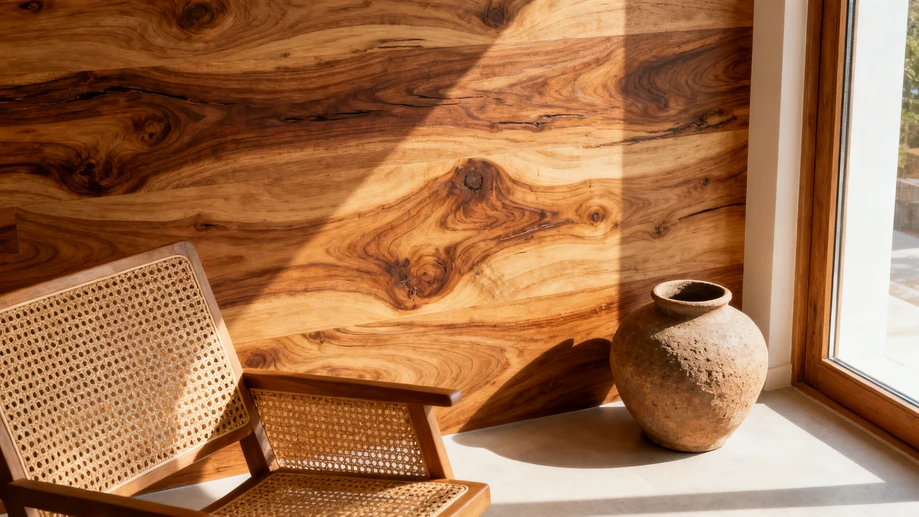
The relentless pace of urban life has sparked a fascinating counter-movement in home design across continents. From Tokyo apartments to Berlin lofts, homeowners are increasingly rejecting sterile minimalism in favor of spaces that engage the senses. This tactile revolution manifests through rough-hewn wood beams in Scandinavian living rooms, hand-thrown clay vases in Melbourne kitchens, and woven rattan room dividers in São Paulo studios. Interior designers report a 40% surge in requests for natural materials over the past eighteen months, with clients specifically seeking imperfections – the knots in timber, variations in stone veining, and irregularities in handmade tiles. These textural elements create visual rhythm while providing psychological comfort through their connection to the natural world.
Architects observe this preference extending beyond mere decoration into structural choices. Exposed brick walls once concealed behind plaster now stand proudly in London townhouses, their rugged surfaces telling stories of industrial heritage. In Seoul, micro-cement floors with subtle terrazzo-like flecks replace glossy tiles, offering both durability and organic charm. The appeal lies in how these materials develop character over time, unlike synthetic alternatives that show wear as deterioration. A lesser-known advantage comes from their acoustic properties: irregular surfaces naturally diffuse sound waves, making open-plan spaces feel more intimate without additional soundproofing. This functional benefit enhances their aesthetic appeal in today's popular multifunctional living areas.
Regional interpretations reveal cultural nuances in this global movement. Mediterranean homes incorporate chiseled limestone sinks that stay cool in summer, while Nordic designs feature birch bark light fixtures that cast warm, dappled shadows during long winters. Japanese renovations showcase washi paper sliding doors that filter light differently throughout the day, creating ever-changing patterns. Interestingly, tropical regions see homeowners combining smooth river stones with rough teak in bathroom designs, achieving balance through contrasting textures. The unifying thread remains humanity's innate desire to surround ourselves with elements echoing geological and botanical forms, a response perhaps to increasingly digital lifestyles.
This tactile trend influences furniture selection profoundly. Upholstery fabrics with visible linen slubs and nubby bouclé textures dominate living rooms, replacing uniform synthetics. Dining tables showcase live-edge wood slabs with bark inclusions rather than polished marble. Even metal finishes evolve, with brushed and hammered surfaces preferred over high-gloss chrome. The resurgence extends beyond aesthetics to maintenance philosophies – homeowners now embrace the Japanese concept of wabi-sabi, finding beauty in natural patinas and wear patterns. This represents a fundamental shift from viewing maintenance as preservation of perfection to appreciation of evolving character.
Looking forward, material scientists predict innovations in bio-fabricated surfaces that mimic organic textures while offering enhanced durability. Early experiments include mushroom-based acoustic panels with natural irregularities and lab-grown quartz with controlled crystalline formations. Yet the core philosophy remains unchanged: creating homes that engage our primal senses while providing sanctuary from digital overload. As urbanization intensifies, this tactile connection to nature's rhythms becomes not just decorative preference but essential wellbeing strategy, transforming houses into grounding environments that nourish both body and spirit through the simple power of touch.