
Your House Might Be Secretly Dirty in Ways You Never Imagined
The viral 'Cleaning Blind Spots Challenge' is making everyone rethink their scrubbing routine.
We all pride ourselves on keeping a tidy home. Floors mopped? Check. Surfaces wiped? Check. Sinks sparkling? Check. But what if I told you that lurking in the nooks and crannies of your seemingly spotless sanctuary are colonies of dust bunnies, forgotten grime, and microbial parties you never knew existed? Welcome to the latest internet obsession: The Cleaning Blind Spots Challenge. This social media phenomenon isn't just exposing our hidden dirt; it's fundamentally changing how we approach household chores.
Forget the perfectly staged 'after' cleaning photos. The trend taking over feeds is all about the shocking 'before'. Users are bravely turning their phone cameras towards the places we rarely, if ever, think to clean. Think *beyond* the fridge top or under the sofa. We're talking about the gunk accumulating inside your dishwasher's rubber seal, the mysterious fluff thriving behind the radiators, the dusty jungle thriving atop your ceiling fan blades, or the horrifying buildup inside your showerhead. The sheer volume and variety of hidden filth people are uncovering is both gross and utterly fascinating.
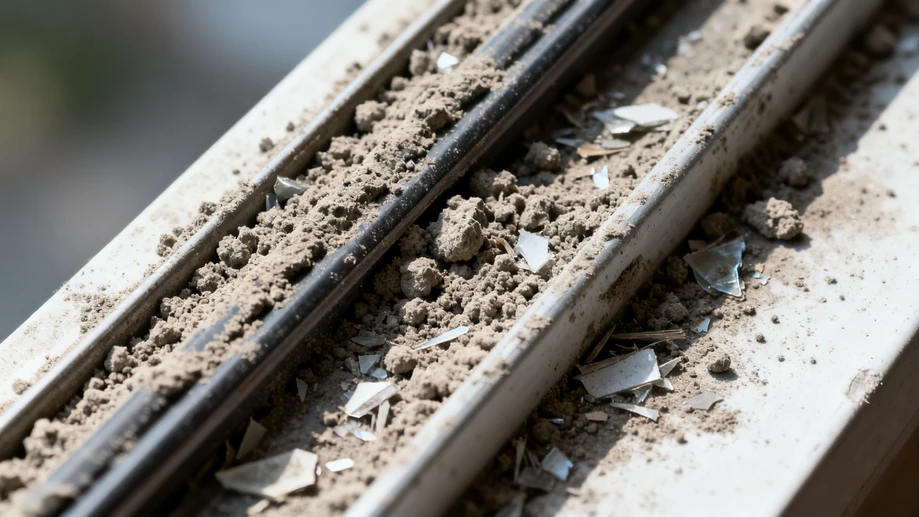
What makes this trend so compelling isn't just the shared horror, but the collective problem-solving it sparks. One user posts a close-up of their disgustingly grimy window tracks, and suddenly the comments section becomes a goldmine of ingenious solutions. Someone swears by using an old toothbrush dipped in vinegar. Another recommends a specific angled brush attachment for a vacuum. A third might share a DIY paste recipe involving baking soda and dish soap. Suddenly, tackling that neglected spot feels less daunting and more like joining a communal mission. It transforms a solitary chore into a shared, almost gamified, experience.
The psychology behind the challenge's popularity is intriguing. It taps into a deep-seated desire for control and mastery over our environment, especially in uncertain times. Discovering and conquering these hidden pockets of dirt provides a tangible sense of accomplishment. It’s a small win, easily achieved, that makes our immediate surroundings feel safer and more cared for. Furthermore, the trend democratizes expertise. You don't need a professional organizer or expensive products; you just need curiosity, a phone camera, and maybe that trusty old toothbrush. The shared vulnerability of admitting, "Hey, my baseboards are disgusting too!" fosters a surprising sense of community and mutual support.
Of course, the challenge isn't without its critics. Some argue it's fueling unnecessary cleaning anxiety or promoting obsessive habits. Others point out that a little environmental dust is perfectly normal and not inherently harmful. However, proponents counter that the trend isn't about sterile perfection; it's about awareness and practicality. Knowing these spots exist allows for more thorough, albeit less frequent, deep cleans. It’s about understanding your home's ecosystem better and preventing the kind of buildup that can actually cause issues, like mold in seals or reduced appliance efficiency. The key takeaway isn't panic, but periodic, mindful attention.
So, what's the real impact beyond the viral videos? The Cleaning Blind Spots Challenge is subtly shifting household maintenance norms. People are investing in previously overlooked tools like crevice tools for vacuums, microfiber detailing brushes, or steam cleaners with narrow nozzles. They're scheduling 'blind spot checks' into their routines. More importantly, it's fostering a more holistic view of cleanliness – moving beyond surface shine to consider the entire environment. It reminds us that true cleanliness isn't just about what's visible; it's about understanding the hidden layers of our living spaces and giving them the occasional, much-needed attention. The next time you feel your house is clean, maybe grab a flashlight and peek behind the toilet. You might just discover your next viral contribution.