
The Cleaning Hack That Sparked a Global Debate
Is your favorite cleaning method secretly damaging your home? The internet is divided.
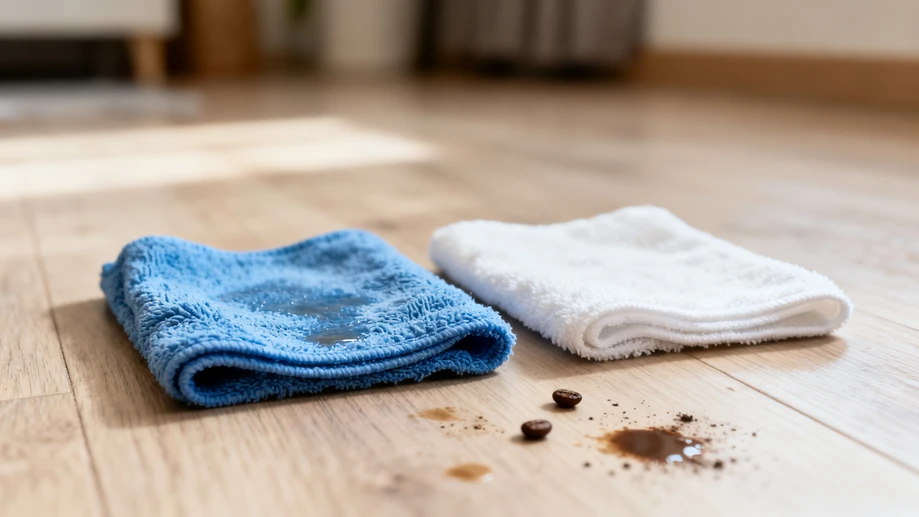
It started innocently enough. A short video clip, filmed on a smartphone, showed someone vigorously wiping down a wooden dining table. The method? A slightly damp microfiber cloth followed immediately by a completely dry one. The caption claimed it was the "only way" to achieve a streak-free shine without watermarks. Within days, it was everywhere – shared, remixed, debated, and dissected across every major platform. Suddenly, everyone had an opinion on the "Dry Buff" technique, turning a mundane chore into a surprisingly heated online battleground.
Proponents of the Dry Buff method swear by its effectiveness. They argue that the initial damp cloth lifts dirt and grime, while the instant follow-up with the dry cloth removes every trace of moisture before it can seep into the wood or evaporate, leaving behind those dreaded white rings or streaks. Comments sections overflowed with testimonials: "Game-changer for my antique dresser!" "Finally, my glass tabletops look perfect!" The simplicity and the promise of flawless results fueled its viral spread. It seemed like the holy grail of quick, effective cleaning for porous and non-porous surfaces alike.
However, not everyone was polishing their furniture in celebration. A significant counter-wave emerged, led by professional cleaners, woodworkers, and seasoned homekeepers. Their main objection? Potential long-term damage. Critics argued that even the "damp" cloth might be introducing more moisture than realized, especially on sensitive wood finishes. They warned that repeatedly trapping tiny amounts of moisture under the dry buff could, over time, cause finishes to cloud, crack, or lift. "You're essentially creating a mini-steam effect," commented one furniture restorer. "Heat and moisture are the enemies of fine wood finishes." Others pointed out that for surfaces like laminate or veneer, the technique might be unnecessary and could wear down the surface prematurely with excessive friction.
The debate quickly spiraled beyond just wood. People began applying the Dry Buff logic to everything: stainless steel appliances, granite countertops, sealed stone floors, even windows and mirrors. Videos popped up testing the method on marble (a resounding "no" from stone experts due to etching risks) and on ceramic tiles (generally deemed safe, but potentially overkill). The sheer volume of conflicting "expert" opinions – from self-proclaimed gurus to certified professionals – left many feeling utterly confused. Was this simple hack a brilliant time-saver or a slow-motion disaster for their home?
Amidst the noise, some tried to find the scientific middle ground. Chemistry enthusiasts chimed in, explaining surface tension and evaporation rates. The key, they suggested, wasn't necessarily the *dry buff* itself, but the *amount* of initial moisture. A cloth that is merely damp, not wet, significantly reduces the risk. The dry buff then acts as an insurance policy, ensuring no residual droplets remain. The real villain, they argued, is excess water left sitting on surfaces, regardless of the buffing technique. This perspective shifted the focus from the method itself to the critical importance of moisture control during any cleaning task.
So, what's the verdict for the average homeowner? Professional organizers and experienced cleaners offered the most pragmatic advice: **Know Your Surface.** There's no universal cleaning rule. Always check the manufacturer's recommendations for your specific furniture, flooring, or appliances. Test any new method, including the Dry Buff, in an inconspicuous spot first. For genuinely delicate surfaces like untreated wood, antique finishes, or natural stone, erring on the side of extreme caution with minimal moisture is best. For tougher, sealed surfaces like laminate, quartz, or sealed tile, a properly executed damp wipe followed by a quick dry buff might indeed deliver that coveted streak-free finish safely. The core takeaway isn't about blindly following a trend, but understanding the principles of safe cleaning for your unique home environment.
The Great Dry Buff Debate ultimately highlights something fascinating about modern homemaking. What was once quiet, private knowledge passed down through generations is now dissected globally in real-time. A simple act like wiping a table can become a cultural moment, sparking passionate arguments and scientific discussions. It reminds us that even the most ordinary tasks are open to innovation, scrutiny, and refinement. While the "perfect" method might be elusive and highly individual, the collective conversation pushes us all towards better, more informed care for the spaces we live in. The next viral cleaning hack is undoubtedly already brewing – ready to be embraced, debated, and perhaps, eventually, refined into something genuinely useful for the masses.