
The Rise of Cleaning Robots and Why Your Mop May Soon Be Outdated
Discover how intelligent machines are reshaping home maintenance, turning tedious chores into effortless routines.
Remember the days when cleaning the house meant endless hours of scrubbing floors, dusting shelves, and battling stubborn stains? If you’re like most people, those memories probably bring a groan—especially in today’s fast-paced world where every minute counts. But what if I told you that a quiet revolution is underway, one where robots handle the grunt work while you kick back? That’s not science fiction; it’s already happening in homes worldwide, thanks to cutting-edge robotics and artificial intelligence. This shift isn’t just about convenience; it’s transforming how we view domestic life, turning chores from dreaded obligations into automated tasks we barely think about. As we dive in, let’s explore how this tech wave started and why it’s gaining such buzz online.
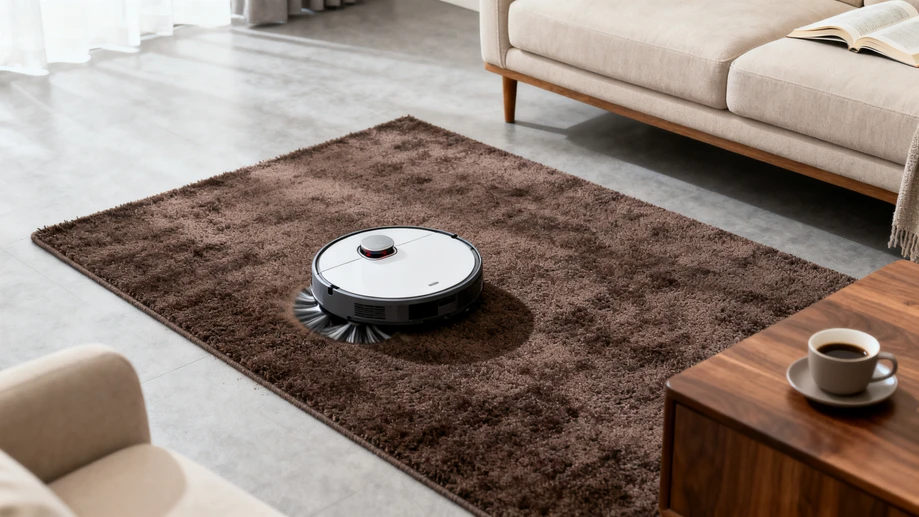
So, how exactly do these cleaning robots work, and why are they suddenly so popular? Picture a sleek, disc-shaped gadget that zips around your living room, vacuuming up crumbs and pet hair with precision. These devices aren’t just dumb machines; they’re equipped with sensors, cameras, and smart algorithms that map your home, avoid obstacles, and learn over time. For instance, they can detect high-traffic areas and focus extra cleaning there, all while you’re at work or relaxing. The surge in demand isn’t a fluke—it’s driven by affordability and better tech, making what was once a luxury accessible to average households. Plus, online reviews and social media hype have turned them into viral sensations, with users sharing videos of their ‘robot butlers’ in action. It’s no wonder platforms are flooded with how-to guides and success stories, fueling a trend that’s only growing.
But the excitement doesn’t stop at saving time. These robots bring a host of unexpected benefits, like improving health and reducing stress. Consider the impact on daily life: instead of hauling heavy vacuums or inhaling dust, you can let a machine handle the mess, freeing you up for hobbies, family time, or even a nap. That’s not all—many models include features like air purification or UV sanitation, cutting down allergens and germs in ways old methods never could. Financially, it’s a smart long-term play, too; while the initial cost might sting, the savings on cleaning supplies and professional services add up fast. People love sharing these wins online, posting before-and-after shots that make a compelling case for joining the revolution. Naturally, this leads to a common question: if it’s so great, why isn’t everyone on board?
Well, hold your horses—there are drawbacks to consider before jumping in. Privacy concerns top the list, as some devices collect data on your home layout, which could potentially be misused if security isn’t tight. Then there’s the learning curve; setting up and maintaining these gadgets can be tricky, with occasional glitches like getting stuck under furniture or missing spots. And let’s be honest, not every home is robot-friendly—cluttered spaces or pets can cause chaos. Despite these hurdles, enthusiasts argue that advancements are addressing them fast, with smarter software and better designs minimizing risks. This balanced view keeps the conversation lively on forums, where tips and troubleshooting abound, proving that transparency is key to trust.
Looking ahead, the future of home cleaning looks bright, with robots evolving beyond vacuums to handle mopping, window washing, and more. Imagine a world where these devices integrate with other smart home tech, creating a seamless ecosystem that anticipates your needs. That’s not pipe dream—it’s the direction we’re heading, driven by innovations like AI that learns your habits or energy-efficient models that cost less to run. Online, this sparks predictions of a ‘robot-dependent’ era, sparking debates on dependency versus liberation. Whatever your stance, one thing’s clear: this tech is here to stay, and it’s poised to redefine household routines forever.
In the end, embracing cleaning robots could be a game-changer for anyone tired of household drudgery. They’re not just gadgets; they’re tools for a better quality of life, promoting efficiency and well-being in ways we’re only beginning to explore. As more people share their experiences online, the buzz will only grow, making it a topic worth your attention. So, why not give it a try? You might just find that your mop collects dust faster than your floor does.