
The Science Behind Why Your Cleaning Methods Actually Work
Discover the fascinating chemistry and physics that make everyday cleaning techniques effective
Ever wonder why grandma's vinegar solution cuts through grease like magic or why baking soda transforms dingy surfaces? There's actual science humming beneath your scrub brush. Household cleaning isn't just about elbow grease; it's a delicate dance of chemistry and physics happening right on your countertops. Understanding these principles doesn't just satisfy curiosity—it makes you a cleaning ninja who works smarter, not harder.
Take the simple act of washing dishes. When soap meets water, its molecules perform a molecular ballet. One end attracts water while the other clings to grease, essentially surrounding and lifting away grime. This is why hot water boosts efficiency: heat increases molecular motion, helping soap molecules penetrate and dismantle stubborn residues faster. Suddenly, that lukewarm versus hot water debate isn't just preference—it's thermodynamics in action.
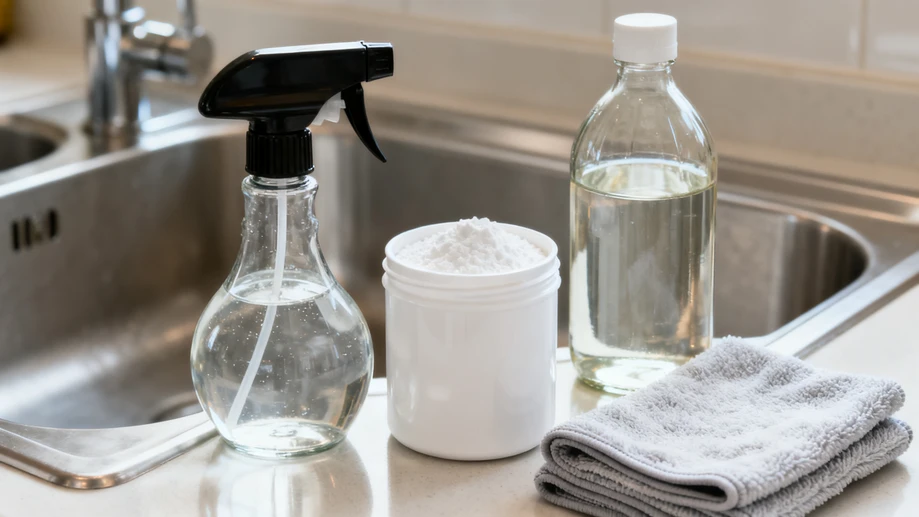
Moving beyond the sink, consider the viral trend of using baking soda and vinegar for drain cleaning. The explosive fizz isn't just satisfying theater. Baking soda is alkaline while vinegar is acidic, creating a chemical reaction that produces carbon dioxide bubbles. These bubbles generate physical agitation, helping dislodge gunk from pipe walls. However, science reveals a limitation: the reaction happens too quickly for deep clogs. For serious blockages, mechanical methods remain superior, proving that not all social media hacks are created equal.
Disinfecting surfaces introduces another layer of scientific nuance. Many believe stronger chemicals mean better germ-killing, but contact time is the unsung hero. Alcohol-based solutions need minutes to disrupt microbial cell membranes, not seconds. Wiping too quickly renders even potent formulas ineffective. This explains why professional cleaners emphasize "dwell time"—a perfect marriage of chemistry and patience that turns ordinary products into germ-slaying warriors.
Stain removal becomes less mysterious when viewed through a scientific lens. Protein-based stains like blood require cold water because heat cooks proteins into fabrics. Meanwhile, tannin stains from coffee thrive on the opposite approach. Oxidation—the process behind color-safe bleaches—breaks down stain molecules by altering their chemical structure. Recognizing stain types transforms guesswork into strategy, turning laundry day into a satisfying chemistry experiment.
Even dusting has hidden physics. Electrostatic charges cause dust particles to cling to surfaces. Microfiber cloths work so well because their split fibers generate opposing static charges that attract and trap particles. Feather dusters? They mostly redistribute dust due to insufficient charge generation. This explains why some tools outperform others despite similar appearances—it's all about those invisible atomic forces.
Surprisingly, some cleaning wisdom defies scientific expectations. The age-old practice of using newspaper for streak-free windows actually works better than many modern cloths. The paper's slight abrasiveness and quick-drying ink create optimal friction without leaving fibers behind. Sometimes, traditional methods endure not just from habit, but from genuine effectiveness validated by physics.
Ultimately, transforming cleaning from chore to fascination comes down to perspective. That crusty oven or cloudy shower door isn't just dirt—it's a puzzle of molecular bonds waiting to be solved. With basic scientific understanding, anyone can elevate their approach, choosing methods that leverage chemistry rather than combat it. The true magic happens when we realize we're not just cleaning our homes—we're conducting miniature science experiments with every spray bottle squeeze.