
Home Offices Transform into Personalized Sanctuaries Amid Global Work Shift
Remote work revolution fuels demand for bespoke spaces that blend productivity with well-being
The seismic shift toward telecommuting continues to reshape living spaces worldwide, with dedicated home offices evolving beyond functional workstations into personalized retreats. What began as makeshift kitchen-table setups has matured into sophisticated design considerations, as homeowners invest in environments that nurture both efficiency and mental wellness. This transformation reflects deeper societal changes where the boundary between professional and personal life becomes increasingly permeable, compelling individuals to reimagine their domestic landscapes. Across continents, architects report unprecedented requests to convert spare bedrooms, underutilized corners, and even garden sheds into purpose-built sanctuaries tailored for cognitive performance.
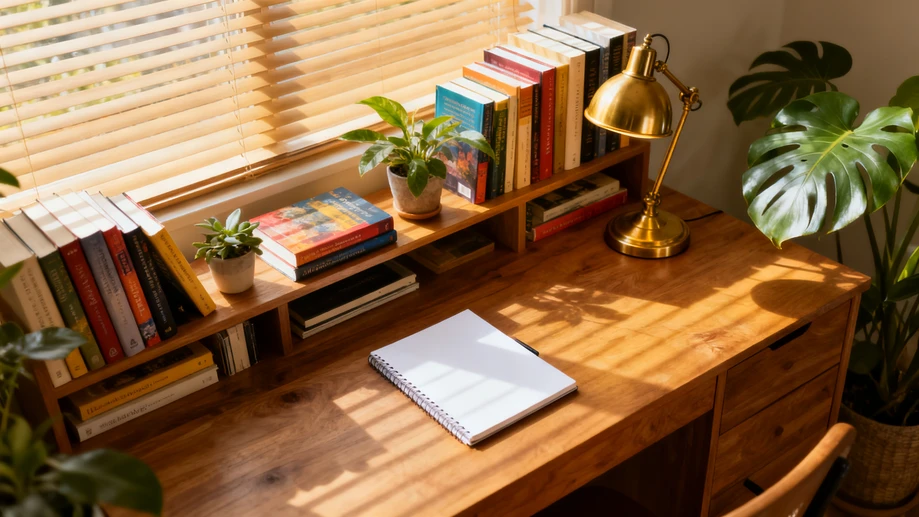
Distinct regional preferences emerge when examining this global phenomenon, yet universal design principles unite diverse cultures. Natural light optimization tops priority lists everywhere, with larger windows and strategically placed mirrors creating airy, uplifting atmospheres. Ergonomic furniture now features alongside residential comforts, embodying the hybrid nature of contemporary work – adjustable standing desks coexist with plush reading chairs for moments of contemplation. The psychological significance of color theory receives newfound attention, as soft blues and greens replace sterile white walls to reduce eye strain and promote calmness. For instance, Scandinavian designs favor pale wood tones to combat long winters, while Mediterranean influences incorporate terracotta accents to establish warmth without sacrificing concentration.
Technology integration presents fascinating innovations that conceal digital infrastructure within aesthetic frameworks. Recessed charging stations and whisper-quiet ventilation systems allow seamless virtual meetings without visual clutter. The rise of "tech-free zones" within these spaces reveals a counterintuitive trend: designated areas solely for analog activities like writing or sketching help workers disconnect from screens. A noteworthy global study by Interior Design Insight revealed that 68% of remote employees feel more productive when their workspace includes tactile materials like corkboards or textured fabrics, anchoring digital tasks in physical reality. This desire for sensory balance underscores a fundamental human need often overlooked in traditional corporate settings.
Storage solutions have undergone remarkable evolution, prioritizing accessibility without compromising aesthetics. Floating shelves replace bulky cabinets, displaying curated objects that spark inspiration – vintage globes, pottery collections, or living herb gardens. Modular units with hidden compartments efficiently organize cables and documents behind elegant facades, demonstrating how form follows function in modern design. Japanese-inspired principles influence this movement, encouraging minimal visible items to cultivate mental clarity. Simultaneously, biophilic design gains momentum globally; preserved moss walls, integrated aquariums, and hydroponic planters transform sterile corners into vibrant ecosystems that reduce stress hormones according to neuroscientific research.
Future-facing designs anticipate multipurpose needs through convertible features that accommodate changing family dynamics or work requirements. Sliding panels conceal office equipment during off-hours, allowing a single room to transition between professional hub and yoga studio. Soundproofing innovations enable household coexistence without disruption, from acoustic wallpaper to double-glazed partitions that maintain architectural flow. The economic implications are profound – real estate markets increasingly value dedicated workspaces at premium rates, while furniture manufacturers develop lines specifically for residential professional use rather than commercial hand-me-downs.
This redefinition of work environments signals a lasting cultural realignment. As organizations embrace permanent remote policies, individuals assert agency over their surroundings, rejecting standardized cubicles in favor of spaces reflecting personal identity. The emergent philosophy views the home office not as temporary compromise but as intentional habitat – a daily sanctuary where productivity and well-being harmoniously coexist through thoughtful design tailored to the human spirit.